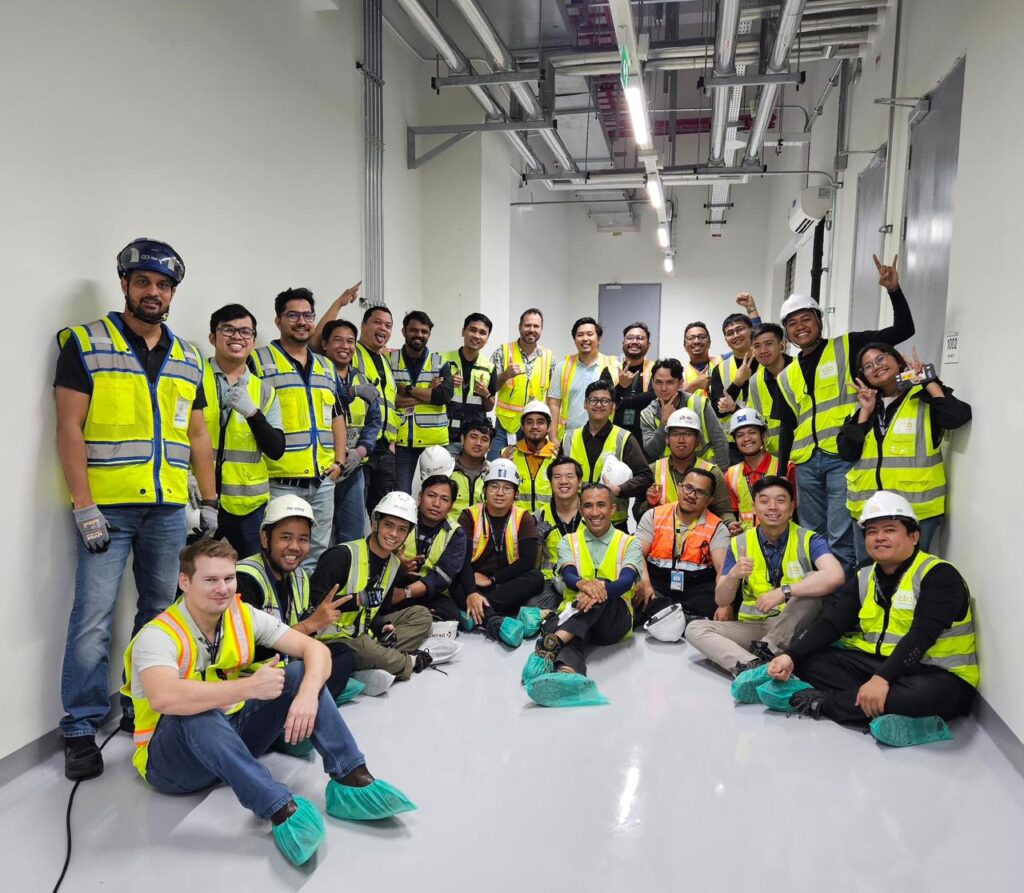
From factory testing to Integrated Systems Testing (IST), Ghaniy’s graduate journey has taken him through every stage of the commissioning process, building both technical expertise and confidence along the way.
When Ghaniy Syakir Salim joined Commtech Asia’s Graduate Programme after graduating in Electrical Engineering from Universitas Indonesia, he was eager to gain hands-on experience in mission-critical infrastructure and see how the systems studied in the classroom perform in the real world.
1.Could you provide some details about your background?
I graduated from Universitas Indonesia with a degree in Electrical Engineering, specialising in telecommunications and dynamic electrical systems. After university, I was eager to work in mission-critical infrastructure rather than remain behind a desk. Joining Commtech Asia as a Graduate Engineer provided the perfect opportunity to bridge the gap between theoretical knowledge and the practical mechanical, electrical, and plumbing (MEP) commissioning required to keep modern data centres operating reliably.
2.How do you feel upon completing the Graduate Programme?
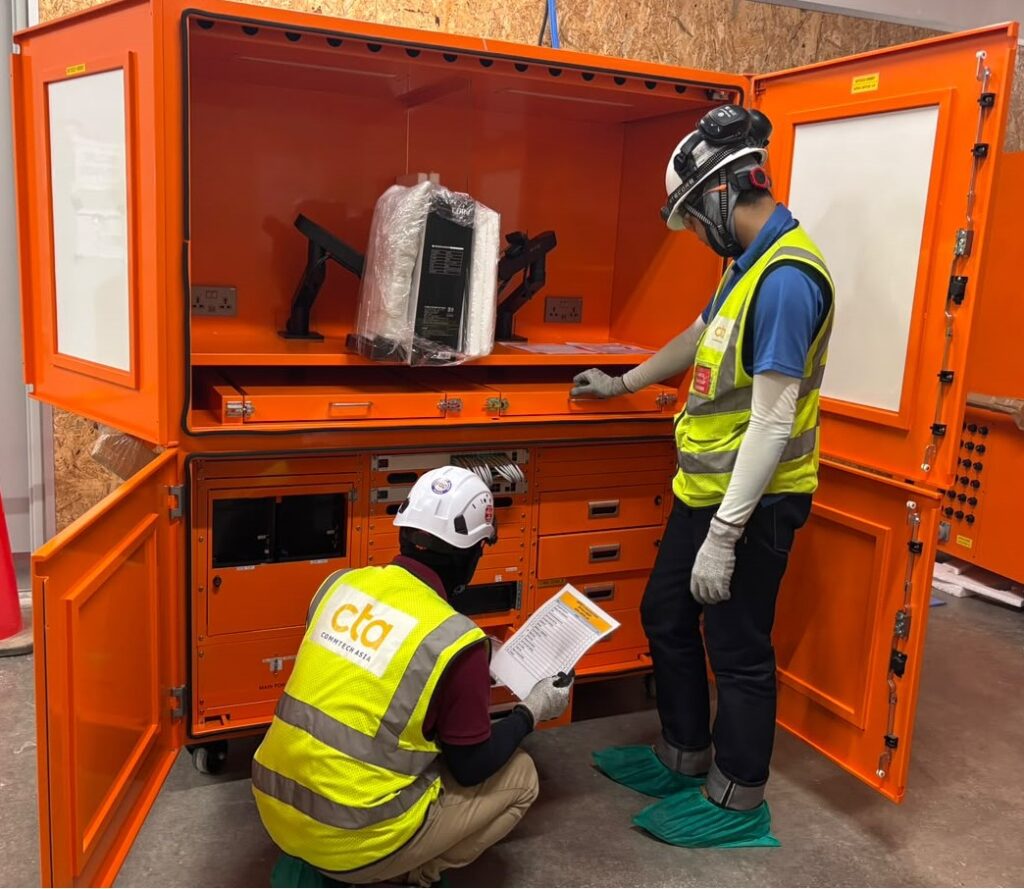
Completing the programme feels like a significant milestone, and above all, I am grateful for how much I have learned along the way. My first experience on a live project site was both exciting and intimidating. The scale of the switchgear, the constant operation of the chillers, and the strict safety protocols were very different from what I had experienced at university.
Looking back, progressing from Level 1 factory testing through to Level 5 Integrated Systems Testing (IST) has been incredibly rewarding. The journey has strengthened both my technical understanding and confidence, leaving me much more grounded in my day-to-day work.
3.What was the most significant challenge you encountered during the programme?
One of the biggest challenges was adapting to the realities of site operations and cross-disciplinary troubleshooting. On paper, single-line diagrams and test scripts appear clean and straightforward. In practice, when a test fails unexpectedly with vendors, subcontractors, and client representatives all involved, the pressure can be intense.
Learning to stay calm, avoid jumping to conclusions, and methodically determine whether an issue stemmed from control logic, power distribution, or a mechanical fault taught me lessons that simply cannot be learned from textbooks. It was practical engineering at its most valuable.
4.Can you share a memorable project?
One project stands out as the most memorable project of my career so far. Being involved throughout the entire commissioning lifecycle, from Level 2 equipment verification and inspections through to Level 5 Integrated Systems Testing, provided an exceptionally steep learning curve.
One defining moment was taking ownership of several critical test scripts and executing them independently. Understanding the standards expected by the client and successfully validating systems during IST gave me a level of confidence that no classroom experience could provide.
5.How has Commtech Asia supported you throughout your journey?
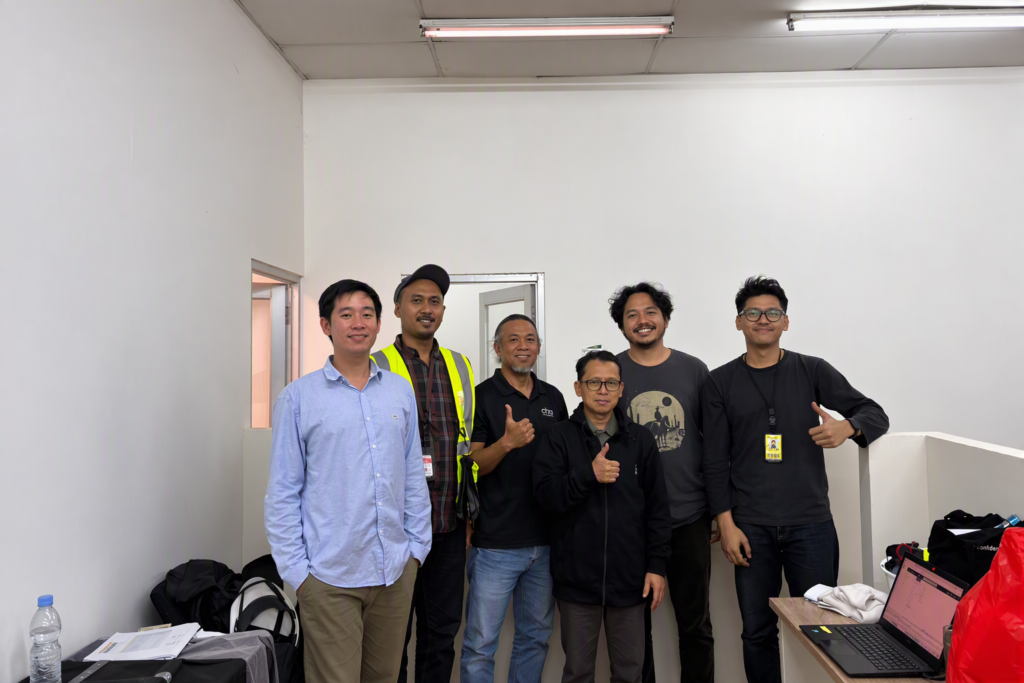
Commtech Asia has supported me by providing genuine responsibility while maintaining strong mentorship. Senior commissioning managers and engineers did not limit my involvement to administrative work. Instead, they brought me to inspections, guided me through complex sequences of operation, and took the time to explain challenges whenever systems did not perform as expected. It is a workplace where curiosity is encouraged and asking “why” is valued. That culture has played a major role in building both my technical knowledge and confidence on site.
6.What advice would you give to those considering applying for the Graduate Engineer Programme?
1. Get out onto site.
The best learning happens in the field. Put on your PPE, walk the site, trace cabling routes, and compare physical installations with the drawings. That is where theory becomes real.
2. Never hesitate to ask questions.
No one expects you to know every standard or system on your first day. Being curious and willing to learn will earn far more respect than pretending to have all the answers.
3. Pay attention to the details.
In mission-critical facilities, even a small configuration error or missing interlock can stop a test from progressing. Being thorough with documentation, checklists, and verification processes is just as important as understanding the engineering itself.